5 Evidence-Based Wellness Principles

Introduction: Navigating the Sea of Wellness Advice
Are you overwhelmed by conflicting health advice? One day, a superfood is a miracle cure; the next, it's debunked. This 'information fatigue' is a real pain point for health-conscious individuals seeking reliable guidance. A 2023 Pew Research Center study found that 72% of adults online encounter contradictory health information, leading to confusion and mistrust. In a landscape saturated with influencer endorsements and sensational headlines, it's challenging to discern what truly supports long-term health.
The solution is a steadfast commitment to evidence-based wellness. This approach separates rigorous scientific consensus from passing trends, empowering you with information grounded in peer-reviewed research. In this article, you will learn five foundational wellness principles consistently supported by high-quality data. We will cut through the noise, providing clear, actionable takeaways so you can make informed, confident decisions about your health and well-being, starting today.
Principle 1: Sleep is Non-Negotiable, Not a Luxury
Often sacrificed for productivity, sleep is arguably the most underrated pillar of wellness. The evidence for its role extends far beyond simply feeling rested.
The Science of Sleep and Systemic Health
Consistent, high-quality sleep is a keystone habit that influences virtually every system in the body. The American Heart Association added sleep duration to its "Life's Essential 8" cardiovascular health metrics in 2022, reflecting its critical importance. Research demonstrates that chronic sleep deprivation (less than 7 hours per night for most adults) is linked to:
- Metabolic Dysregulation: A meta-analysis in Sleep Medicine Reviews found short sleep duration significantly increases the risk for Type 2 diabetes by impairing glucose metabolism and insulin sensitivity.
- Cognitive & Mental Health Impact: During sleep, the brain's glymphatic system clears metabolic waste. Disrupted sleep is a recognized risk factor for cognitive decline and is strongly correlated with heightened anxiety and depression symptoms.
- Immune Function: Studies show that individuals who sleep less than 6 hours per night are more susceptible to common infections like the cold virus.
Practical, Evidence-Supported Sleep Strategies
Beyond just duration, focus on sleep hygiene—a set of behaviors that promote consistent, uninterrupted sleep. The most effective strategies, as outlined by the American Academy of Sleep Medicine, include:
- Consistent Schedule: Go to bed and wake up at the same time every day, even on weekends. This regulates your circadian rhythm.
- Light Management: Dim lights and avoid blue light from screens for 1-2 hours before bed. Consider using blue light filters or amber glasses in the evening.
- Cool, Dark Environment: Maintain a bedroom temperature around 65°F (18°C) and use blackout curtains or a sleep mask.
Principle 2: Nutrition: Focus on Patterns, Not Perfect Foods
The quest for a single "perfect" diet is often misguided. Strong evidence points to overall dietary patterns as the key driver of health outcomes.
The Mediterranean Diet: A Gold Standard Example
Extensively studied for decades, the Mediterranean diet exemplifies an evidence-based eating pattern. It's not a restrictive diet but a style of eating emphasizing:
- Abundance of fruits, vegetables, whole grains, legumes, and nuts.
- Olive oil as the primary fat source.
- Moderate consumption of fish and poultry.
- Limited intake of red meat, sweets, and processed foods.
A landmark 2018 study in The New England Journal of Medicine following over 7,000 individuals for nearly 5 years found that those on a Mediterranean diet (supplemented with extra virgin olive oil or nuts) had a significantly lower rate of major cardiovascular events compared to a control low-fat diet group.
Applying the Principle: Build a Balanced Plate
Instead of fixating on superfoods or elimination, use a simple, research-backed framework for most meals:
- Half the Plate: Non-starchy vegetables and fruits (for fiber, vitamins, and antioxidants).
- Quarter of the Plate: Lean protein (e.g., fish, beans, lentils, poultry).
- Quarter of the Plate: Whole grains or starchy vegetables (e.g., quinoa, brown rice, sweet potato).
- Include Healthy Fats: Add a serving of fat from sources like avocado, olive oil, or nuts. See the 2025 longevity summary for more on dietary patterns.
Principle 3: Movement is Medicine (and It Doesn't Require a Gym)
The benefits of physical activity are dose-dependent and accessible; every bit counts.
The 150-Minute Benchmark and Beyond
The World Health Organization and CDC recommend at least 150 minutes of moderate-intensity aerobic activity per week, plus muscle-strengthening activities twice weekly. Meeting this benchmark is associated with a 20-30% reduced risk of all-cause mortality. The WHO World Health Statistics 2025 report highlights that the largest risk reduction comes from moving from a sedentary state to even modest activity.
Incorporating NEAT and Strength
Beyond structured exercise, Non-Exercise Activity Thermogenesis (NEAT)—the energy expended for everything besides sleeping, eating, or sports—is crucial. Practical ways to increase NEAT include taking walking breaks, using a standing desk, and taking the stairs. Furthermore, strength training is critical for preserving muscle mass and metabolic rate, especially as we age. Bodyweight exercises like squats, push-ups (or wall push-ups), and planks are highly effective and require no equipment.
Frequently Asked Questions (FAQ)
Q: How do I know if a wellness study or claim is
trustworthy?
A> Look for red flags: dramatic language ("miracle cure"),
studies performed only on animals or cells (not humans), research
funded solely by a company selling the product, and lack of
publication in a reputable, peer-reviewed journal. Trust information
from major health institutions like the NIH, WHO, and accredited
professional societies.
Q: Are supplements part of evidence-based wellness?
A> Supplements are intended to fill nutritional gaps, not
replace a healthy diet. The evidence for widespread supplementation
in generally healthy adults is weak. Exceptions exist, such as
Vitamin D in deficient individuals (confirmed by a blood test) or
folic acid during pregnancy. Always discuss supplements with your
healthcare provider, as they can interact with medications.
Q: How important is stress management, and what techniques are
evidence-based?
A> Chronic stress has measurable negative effects on
inflammation, cardiovascular health, and mental well-being.
Evidence-based techniques include Mindfulness-Based Stress Reduction
(MBSR), which has strong data for reducing anxiety; regular moderate
exercise; and diaphragmatic (deep belly) breathing, which can
activate the parasympathetic nervous system to promote calm.
Q: Can lifestyle changes really reverse or prevent chronic
disease?
A> While "reverse" must be used carefully, robust evidence
shows lifestyle interventions can powerfully prevent and
manage chronic conditions. The landmark Diabetes Prevention
Program trial showed that intensive lifestyle modification (diet and
exercise) reduced the risk of developing Type 2 diabetes in
high-risk individuals by 58%, outperforming medication.
Disclaimer: This article is for informational purposes only and is not a substitute for professional medical advice, diagnosis, or treatment. Always seek the advice of your physician or other qualified health provider with any questions you may have regarding a medical condition.
Conclusion: Building a Foundation of Trustworthy Health
Evidence-based wellness is not about perfection or quick fixes; it's about building a sustainable lifestyle on a foundation of scientific consensus. The core principles—prioritizing consistent, high-quality sleep; adopting a balanced, whole-foods dietary pattern; and incorporating regular movement in all its forms—are powerfully supported by decades of research. By focusing on these fundamentals, you can effectively navigate the complex wellness landscape, filter out the noise of fleeting trends, and invest your time and energy in practices that genuinely support long-term health. We encourage you to discuss these principles with your healthcare provider to create a personalized plan that works for you.
Related Recommended Articles
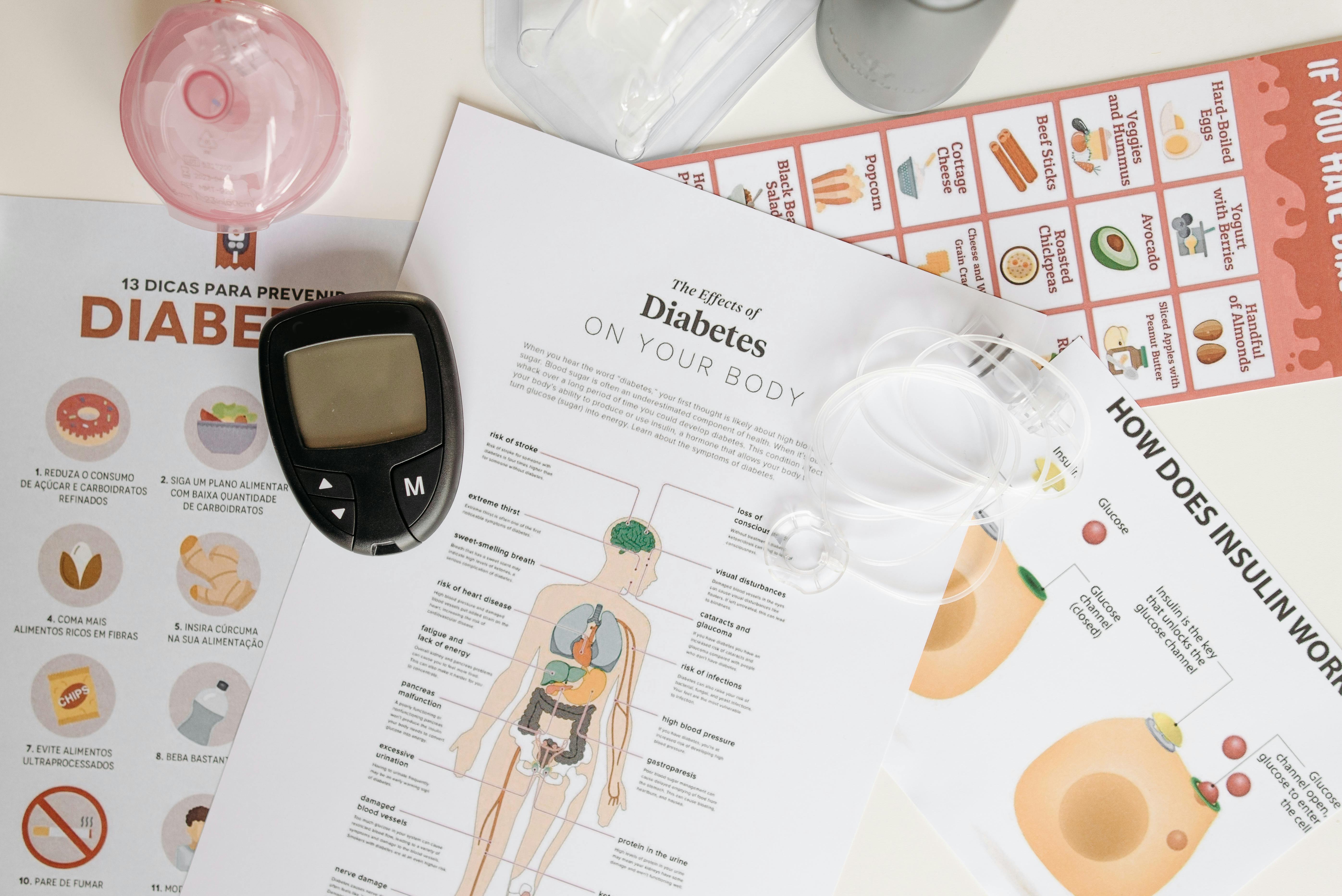
Diabetes Prevention Lifestyle Tips: Evidence-Based Guide
Type 2 diabetes is not inevitable — and the evidence that lifestyle changes can prevent or significantly delay its onset is among the most robust in all of preventive medicine. The CDC's National Diabetes Prevention Prog
Read More →
Immune System Habits: Evidence-Based Daily Support
Every cold and flu season brings a surge of products claiming to boost your immune system, and every year the science fails to support most of them. Here is what the research actually shows: you cannot meaningfully boost
Read More →
Evidence-Based Wellness Programs Guide
You're motivated to improve your health, but the sheer volume of available programs—detoxes, 30-day challenges, branded diet plans—is overwhelming. Many promise rapid results but are based on restrictive rules, shaky sci
Read More →